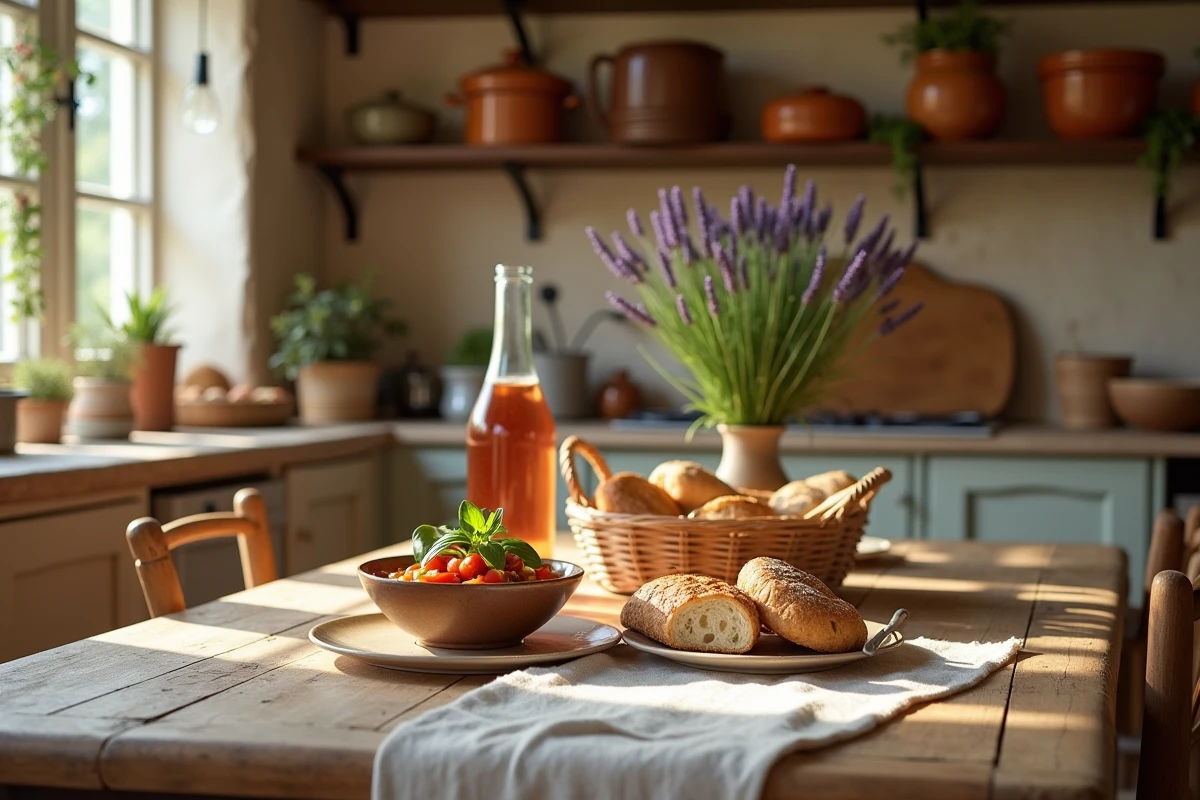
Provençal cuisine is not just a collection of fixed recipes. It is based on a precise technical foundation, short supply chains, and a logic of seasonality that shapes the menu from one end of the year to the other. Understanding what distinguishes an authentic table in Provence starts with reading between the lines of a menu and identifying the concrete markers of quality.
AOP Products and Traceability: What Establishes a Credible Provençal Cuisine
A restaurant claiming Provençal authenticity must rely on identifiable supply chains. The AOP and AOC products from Provence structure the entire menu: olive oil from Haute-Provence or the valley of Baux, wines from Bandol, Cassis, or the Côtes de Provence, Banon cheese, Camargue rice. These quality-labeled products are not mere marketing accessories. They impose supply constraints, higher material costs, and a menu rotation adapted to production calendars.
The demand for immersive culinary experiences centered around these products is on the rise. Atout France, in its reports on wine tourism and gastronomic tourism in the Sud region, has documented this trend for several years. Some establishments now include visits to olive groves or vineyards in their meal offerings.
We recommend checking the explicit mention of appellations on the menu. A tian made with AOP olive oil from Haute-Provence and an aioli made from purple garlic from Provence has nothing to do, in taste or cost, with their standardized versions. This level of detail is what La Cigale et la Fourchette offers, where the traceability of products directly influences the construction of the dishes.
Maître Restaurateur Label: An Often Underestimated Regulatory Benchmark
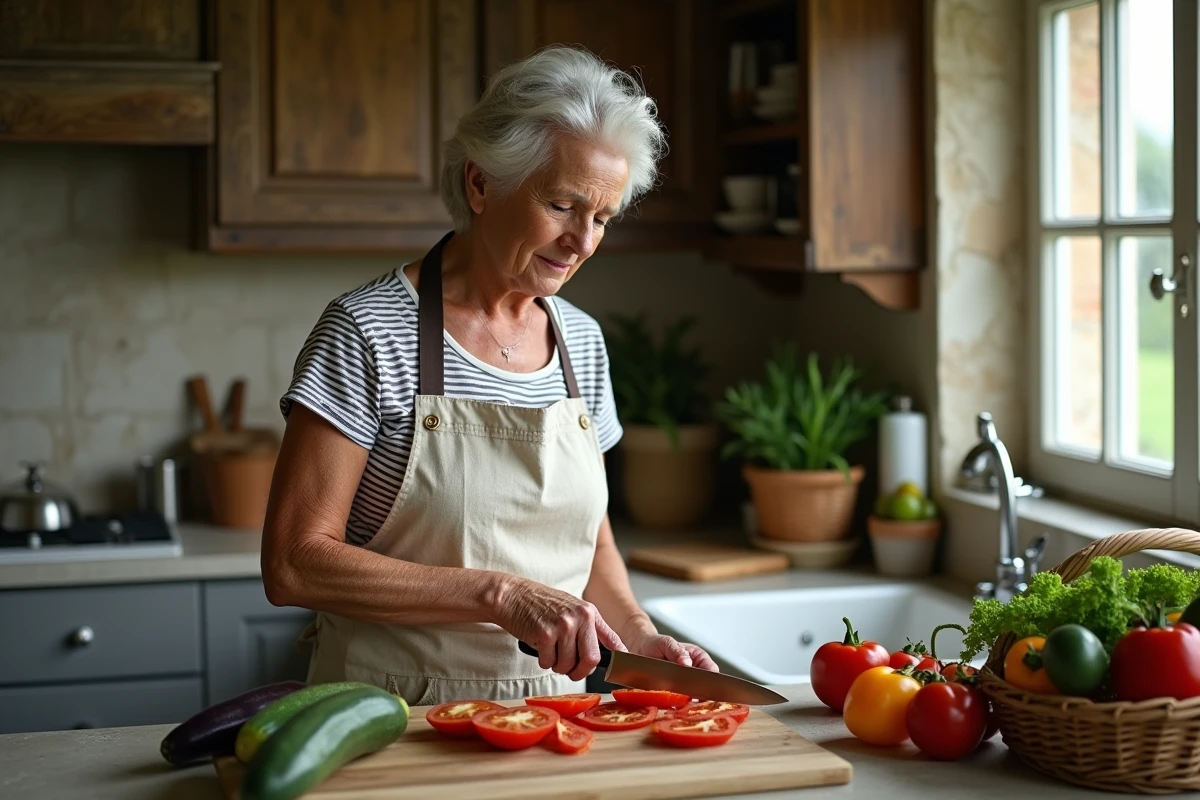
The national “Maître Restaurateur” label guarantees homemade cuisine made from raw products. In Provence, this title takes on a special dimension: it certifies that the dishes are not assembled from industrial bases, which remains more common than one might think, even in well-appointed establishments.
The label requires an inspection every four years by an independent organization. The criteria focus on the chef’s qualifications, the on-site transformation of raw products, and the freshness of supplies. Post-Covid communication campaigns have enhanced the visibility of this title, and the Federation of Maître Restaurateurs regularly publishes reports on the evolution of the number of certified establishments.
For an informed diner, the presence of this label on the facade or menu of a Provençal restaurant serves as a reliable filter. It immediately excludes establishments that rely solely on the terrace and decor without guaranteeing the quality of the dishes.
Provençal Menu and Specific Diets: Adapting Without Betraying
Provençal cuisine has a structural advantage that many regional French cuisines do not have: its traditional repertoire naturally lends itself to vegetarian and flexitarian diets. Tian, ratatouille, stuffed vegetables, pistou soup, and panisses are historically meat-free or low in animal protein dishes.
The UMIH and Food Service Vision barometers on dining in the PACA region document the rise of adapted offerings. Several Provençal chefs reinterpret the classics in lighter or plant-based versions, without creating a parallel menu disconnected from the rest of the offerings.
- The tian reimagined with ancient vegetables (Provençal musquée squash, beef heart tomato) and AOP olive oil finishing advantageously replaces a meat dish
- Aioli, traditionally served with cod and steamed vegetables, is available in a fully plant-based version with chickpeas and artichokes poivrade
- Provençal daube finds its vegetarian counterpart in stews made with confit eggplants and Nyons olives
We observe that the tables that successfully achieve this adaptation are those that do not create a break between classic dishes and alternatives. The common thread remains the same: local products, controlled cooking, seasoning with herbs from Provence.
Anti-Waste Cuisine in Provence: A Logic of Terroir, Not a Marketing Argument
Many Provençal chefs are developing anti-waste menus inspired by traditional peasant cuisine. Pistou made from tops, zucchini flower fritters, and the complete use of vegetables (skin, core, leaves) are part of an ancestral practice that contemporary dining is rediscovering from an environmental responsibility perspective.
This approach requires a radically different organization in the kitchen. Preparations change based on arrivals, the menu sometimes evolves from one service to another, and the chef must master a broader technical range to enhance each product in its entirety.
- Carrot and radish tops become pestos or velouté garnishes
- Fish trimmings are used for homemade stocks that structure sauces
- Overripe fruits are transformed into sorbets, compotes, or acidic condiments to accompany meats
A restaurant that practices anti-waste credibly rarely has a long menu. This is a reliable indicator: the shorter and more changing the menu, the higher the likelihood of real work on raw products.
Terrace and Friendly Setting in Provence: Beyond the Postcard
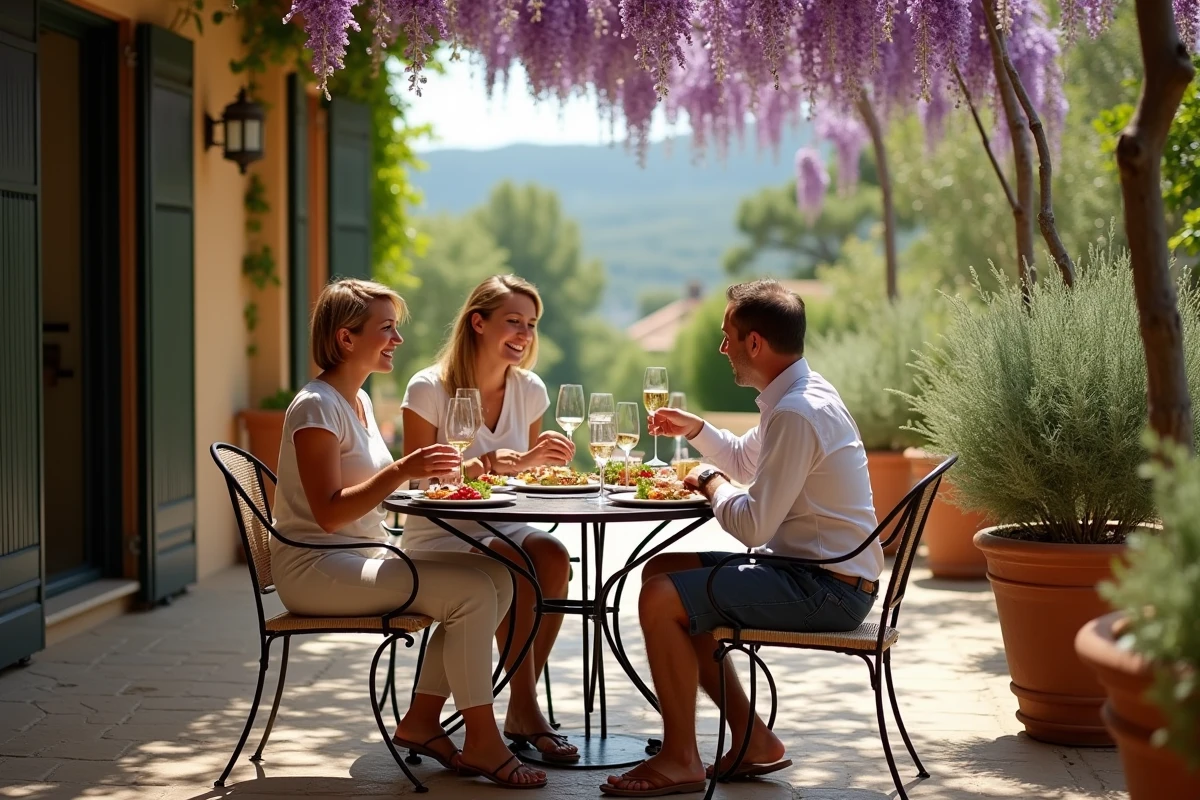
The setting contributes to the experience, but it does not define it. A shaded terrace under the plane trees, a restored farmhouse, a vaulted stone room: these elements create an atmosphere, not a gastronomic guarantee. What distinguishes a true Provençal meal is the articulation between the place, the service, and the plate.
A service that knows the origin of each product, that can explain the choice of a local wine paired with the dish, that adapts the pace of the meal to the summer heat, that is what transforms a dinner on the terrace into a coherent culinary experience. The friendly Provençal setting is built as much in the glass and the plate as in the decor.
The best Provençal tables share this common trait: they never separate the content from the container. The choice of wines follows the logic of proximity (Aix hills, Luberon, Ventoux), the bread is often made on-site or from a recognized baker, and the dessert extends the same seasonal requirement as the starter. It is this overall coherence, from the first glance at the menu to the last sip of muscat, that marks a Provençal address worthy of the name.