Beynat occupies a unique position in the south of Corrèze, between the Brive basin and the first foothills of the Massif Central. This commune in the Green Country has long attracted visitors for its Lake of Miel and wooded landscapes. In recent years, another phenomenon has emerged: young professionals and families are moving here to telecommute, enjoy accessible natural surroundings, and participate in a vibrant community life.
Beynat and Slow Rurality: What Telecommuting Changes in a Corrézien Village
The term “slow rurality” is not just a marketing slogan here. It describes an observable reality in several communes in the south of Corrèze, and Beynat concentrates the ingredients: a moderate cost of living, gradually improving digital coverage, and a network of services (schools, shops, healthcare) that is still functional.
What distinguishes this settlement from a simple second home is the daily dimension. New arrivals are not coming for vacations. They are looking for a permanent place to live where telecommuting coexists with a real local connection, characterized by weekly markets, shared gardens, and hikes after the workday.
The community of communes that includes the area of Beynat structures part of these services. Feedback from the ground varies regarding the actual pace of these settlements: some elected officials speak of a visible demographic upturn, while others temper this by pointing out the difficulty in retaining families beyond a few years due to the lack of certain facilities (middle school, specialized medical services).

Rural Heritage in Corrèze: Churches, Baskets, and the Artisan Memory of Beynat
Beynat is known outside the borders of Corrèze for an unexpected item: its baskets. This artisanal tradition, linked to woodworking and basketry, has long structured the local economy. Although production has declined, it remains a strong identity marker, regularly highlighted during heritage events.
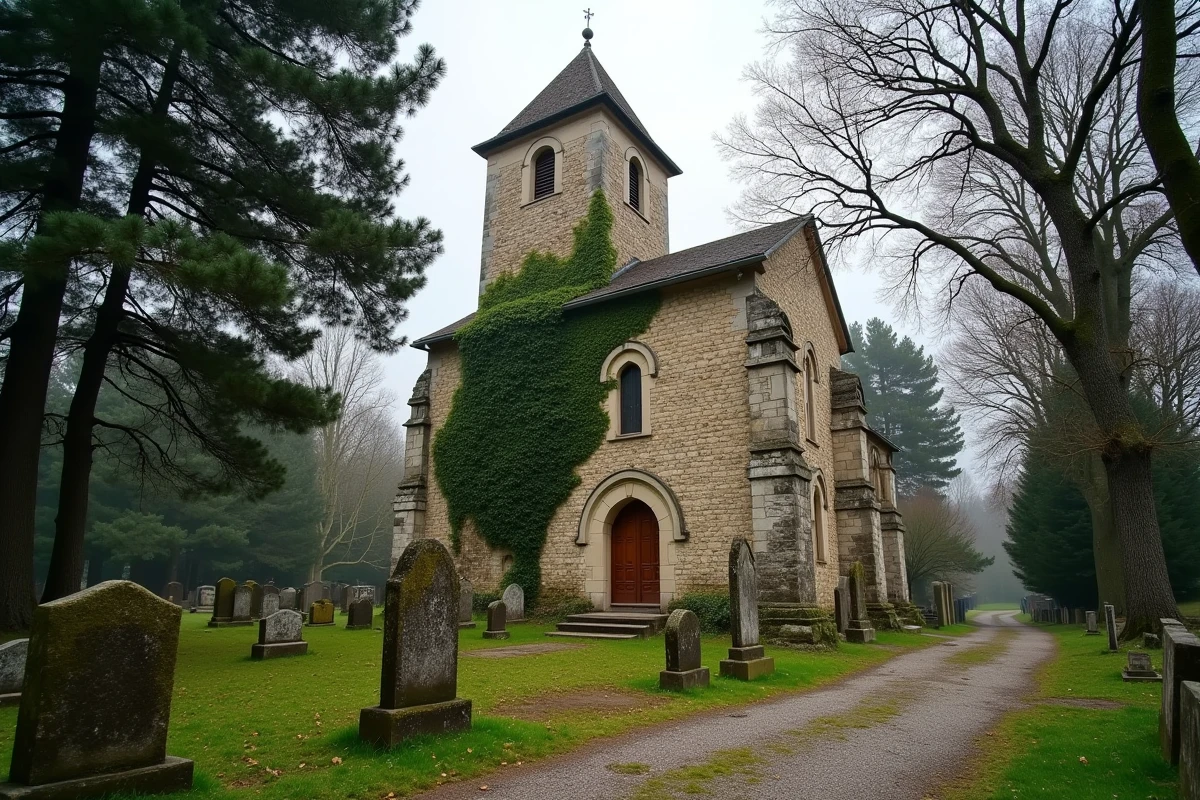
The built heritage deserves attention without reducing it to a list of monuments. The Saint-Pierre church and the Saint-Roch chapel are among the sites open during the European Heritage Days, an increasingly used lever in Corrèze to shine a light on the religious and rural heritage of small communes.
At the departmental level, these days allow Beynat to be integrated into thematic discovery circuits that go beyond simple lakeside tourism. Visitors who venture to Collonges-la-Rouge or Turenne now more frequently pass through this area, supported by a structured mediation offer.
An Associative Fabric That Goes Beyond Tourist Promotion
The strengthening of local associations around heritage and nature in the south of Corrèze is a notable fact. These organizations offer guided walks and environmental awareness activities, gradually integrating the Beynat sector into their fields of action.
This associative dynamic is not limited to enhancing value for tourists. It creates connections between permanent residents, newcomers, and inhabitants of neighboring communes. For families working remotely, it is often the primary means of social integration.
Nature and Micro-Adventures Around Lake of Miel and the Trails of Beynat
Lake of Miel remains the most well-known natural anchor point in the area. Supervised swimming in summer, fishing, wooded trails around the water body: the offer is classic but well-maintained. Available data does not allow for precise measurement of annual attendance, but the presence of accommodation structures like the Hameaux de Miel (wooden chalets with varying levels of comfort) indicates regular demand.
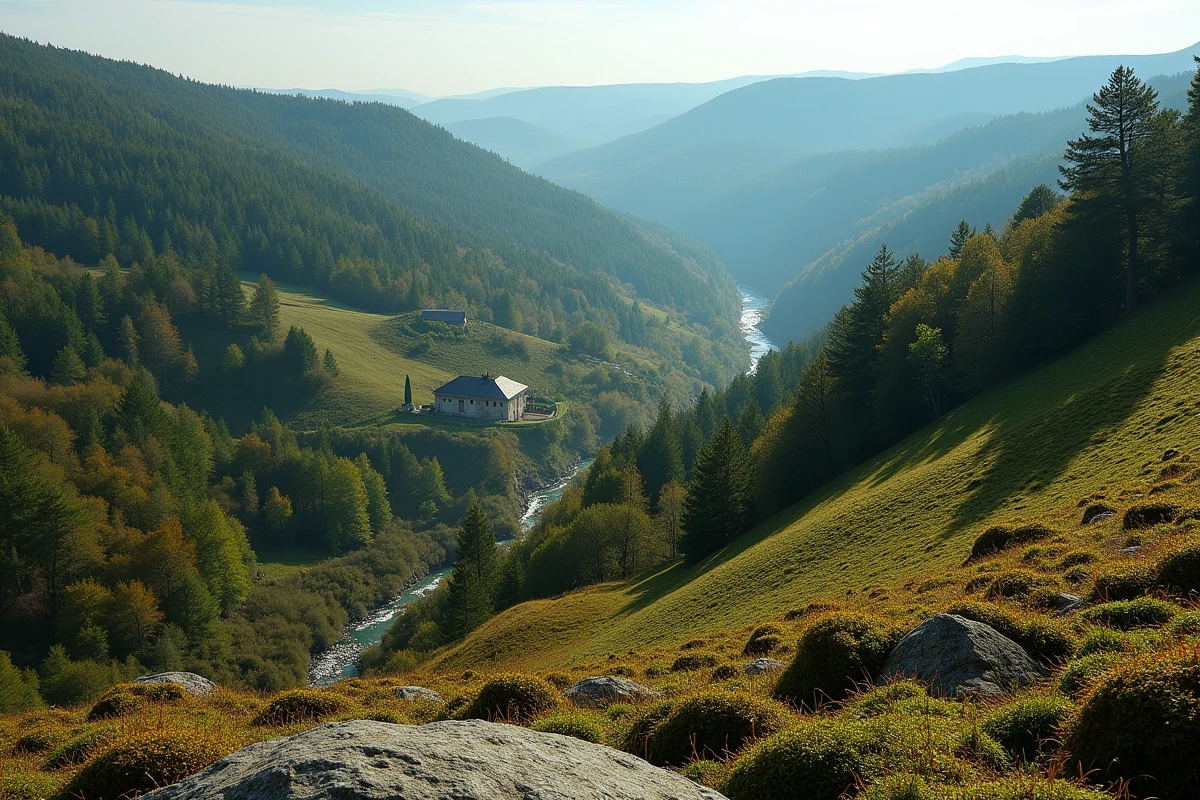
What is evolving is the use of this natural environment. The mountain biking and hiking circuits listed on specialized platforms show a network of trails that extends well beyond the lake. Forest paths and ridge trails offer micro-adventure routes accessible within minutes from the village.
- Marked hikes through chestnut and oak woods, with clear views of the surrounding valleys
- Mountain biking circuits of varying difficulty, connected to broader routes in southern Corrèze towards Dordogne
- Water points and streams conducive to nature discovery, especially for families with children
- Proximity to heritage sites (Collonges-la-Rouge, Turenne) allowing for a combination of nature and culture in a single day
For permanent residents, this proximity to nature is not just a brochure argument. It is a daily reality: running in the morning before connecting, taking the children to the lake after school, organizing a mushroom outing in the fall.
Local Life in Beynat: What Works and What Remains Fragile
The village retains a core of shops and services that distinguishes it from many similarly sized rural communes. Bakery, grocery store, café: the town center remains a daily living space, not a seasonal showcase.
Cultural life relies on the associative fabric mentioned above, with regular events that bring together long-time residents and new arrivals. Cultural activities related to rural heritage (workshops, exhibitions, guided tours) contribute to this dynamic.
Limits Not to Be Ignored
Some vulnerabilities deserve to be stated without complacency:
- The medical offer remains limited, as in most rural communes in Corrèze, which weighs on attractiveness for families with young children
- Fiber optic coverage is progressing but is not yet uniform across the entire municipal territory, a direct hindrance for telecommuters
- The sustainability of shops depends on a still precarious demographic balance, where each departure of a merchant can weaken the whole
These constraints are not unique to Beynat. They outline the realistic framework within which any settlement project in rural Corrèze is situated. Quality of life is not decreed; it is built on concrete services whose sustainability is never guaranteed.
Beynat is neither a museum village nor a tourist spot tailored for social media. It is a vibrant Corrézien town, with its real assets (accessible nature, unique heritage, active community life) and its blind spots (healthcare, connectivity, local employment). For those seeking a rural anchor point without sacrificing a structured social and professional life, the area deserves careful exploration, on-site and over several days.