
Everyday flavorful cooking does not rely on complex recipes or rare ingredients. It depends on mastering a few mechanisms for constructing a dish, understanding cooking methods, and the ability to combine flavors without a safety net. Here, we share the technical levers that transform a weeknight meal into a precise and delicious plate.
Assembly Matrices: Cooking Without Recipes Daily
The most structuring trend in creative cooking in recent years is matrix-based assembly cooking. The principle is simple: replace the linear recipe with a construction grid. A base (grain, pasta, legumes), a contrast in texture (crunchy, melting, crispy), an acidic note (citrus, vinegar, pickles), and a fresh herb.
This framework, popularized notably by the “Simplissime – Creative Assemblies” collection by J.-F. Mallet at Hachette Cuisine and adopted in workshops at the Ferrandi Paris school, explicitly aims to reduce dependence on detailed recipes.
In practical terms, a bowl of warm green lentils with sliced radishes, a drizzle of lemon juice, and fresh cilantro constitutes a complete dish built on this matrix. No recipe was followed. The matrix frees improvisation while ensuring taste balance.
We recommend noting three to four basic matrices suited to your usual ingredient repertoire in a notebook displayed near the stove. This habit aligns with “micro-rituals” in weeknight cooking (idea notebook, fresh herb tray, dedicated mise en place) associated with an increase in the pleasure of cooking, even for quick preparations. Exploring cooking on L’Art du Goût can also help fill this notebook with associations you might not spontaneously think of.
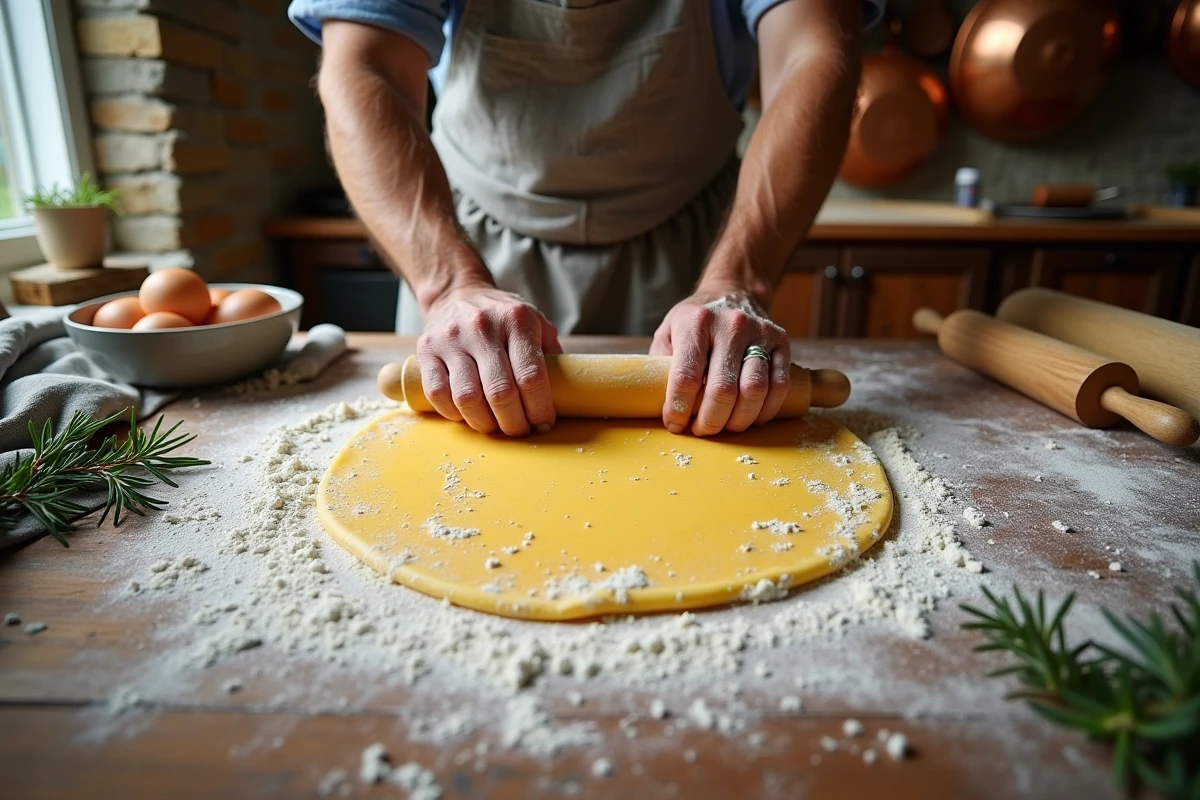
Cooking Vegetables: The Parameter Most Cooks Neglect
Improperly cooked vegetables ruin a dish, regardless of seasoning. Cooking is the most underestimated technical lever in everyday cooking. We observe three recurring mistakes: systematic overcooking, lack of browning, and adding fat cold to a pan that is not hot enough.
The Maillard reaction occurs with vegetables just as it does with meat. A sliced zucchini, seared over high heat in a smoking pan with a drizzle of olive oil, develops grilled aromas that cannot be achieved through gentle cooking. Roasting broccoli at high temperature (rather than boiling) radically changes its flavor profile.
Three Rules for Precise Vegetable Cooking
- Dry vegetables before cooking: surface moisture prevents browning and causes unwanted steaming in the pan
- Do not overcrowd the container: piled vegetables release their water and braise instead of roasting, resulting in a mushy texture and flat flavors
- Season at the end of cooking for quick sautés: salt added too early draws out moisture from the vegetables and slows caramelization
These principles apply to both weeknight stir-fries and more elaborate dishes. A cook who masters vegetable cooking transforms a mundane meal into a flavorful plate without adding complexity or time.
Quick Sauces and Seasoning: The Touch That Structures a Dish
A dish without sauce or thoughtful seasoning remains just a combination of cooked ingredients. Sauce, even rudimentary, unites the elements on the plate. In everyday cooking, we distinguish two categories of quick sauces that cover most needs.
Cold Emulsions
A classic vinaigrette (oil, acid, mustard) is a cold emulsion. Its strength lies in its modularity. Replace wine vinegar with yuzu juice, add a spoonful of white miso, and you have a sauce that dresses both a cabbage salad and a grilled fish fillet. Varying the acid and fat is enough to completely renew a dish’s profile.
Deglazing the Pan
The cooking juices stuck to the bottom of a pan after searing a protein or vegetables contain a concentration of flavors. A splash of white wine, broth, or even water is enough to loosen them. Add a cold knob of butter while stirring: you get a short, glossy sauce that coats the main ingredient. This technique takes less than a minute and is a great substitute for any jarred sauce.
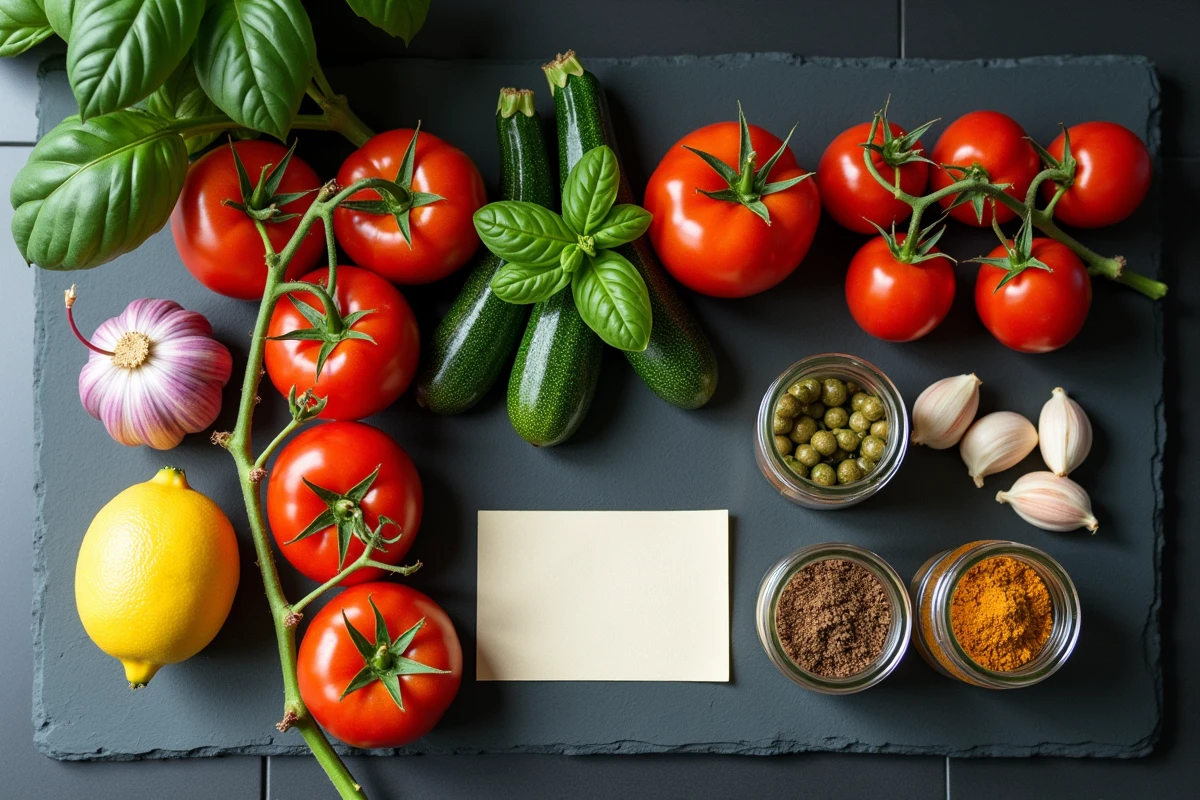
Culinary Creativity and Repetition: Why Varying Recipes Matters
Since 2023-2024, several studies in cognitive science show that cooking regularly stimulates overall creativity, not just culinary. The act of cooking simultaneously activates memory, planning, and sensory imagination, making it a cognitive exercise comparable to drawing or music, provided that recipes are varied.
Repeating the same five dishes every week does not produce this effect. The brain needs new constraints to mobilize its creative resources. Changing just one parameter (an ingredient, a cooking technique, a condiment) in a mastered dish is enough to reignite the process.
This observation aligns with the logic of assembly matrices: a stable framework, but renewed variables. Culinary daily life then becomes an accessible experimental ground, without pressure for results. A failed dish remains a meal, not a failure.
Strategic Pantry: The Ingredients That Change Everything
Culinary creativity often stumbles upon a logistical problem: the refrigerator is empty or filled with ingredients that do not match. A well-thought-out pantry solves this blockage.
- Strong personality condiments: miso, harissa, curry paste, soy sauce – each can transform a vegetable or grain dish in seconds
- Varied acids: apple cider vinegar, rice vinegar, lemons, pickles – acidity revives a bland dish more effectively than salt
- Backup textures: sesame seeds, crushed nuts, panko breadcrumbs – the contrast in texture distinguishes a well-crafted dish from a monotonous one
- Quality dried herbs: oregano, sumac, Espelette pepper – to be used when fresh herbs are lacking
With these four categories covered, any main ingredient (a leftover chicken, end-of-week vegetables, dry pasta) can become a structured and flavorful meal. The guide is not the recipe, but the palette of tools available at hand.
Everyday cooking gains in flavor and creativity not by multiplying recipes followed to the letter, but by understanding the mechanisms that make a dish work. Mastering cooking methods, constructing seasonings, and maintaining a coherent pantry are the three pillars of sustainable culinary autonomy.