Humidity in the home can be both uncomfortable and harmful to health, promoting the growth of mold and the appearance of allergens. This phenomenon, often encountered in residences, has detrimental consequences on structures and can damage furniture. With the growing ecological awareness, homeowners are seeking natural methods to counter this problem. Solutions exist, ranging from simple daily practices to the use of environmentally friendly materials, offering an alternative to electric dehumidifiers and the chemical products often used to combat excessive humidity.
Understanding the Origin of Humidity to Better Combat It
The humidity level in homes rises with the arrival of cold weather, a phenomenon that increases the risks of peeling wallpaper, mold proliferation, and pathogenic bacteria. These manifestations are merely the visible symptoms of a much deeper issue. Find the source: whether it’s a water infiltration through the roof or walls, condensation due to a temperature difference between indoors and outdoors, or a capillarity phenomenon rising from the ground, each problem requires a specific approach.
Measuring hygrometry, an indicator of the humidity level in the air, is essential for diagnosing the extent of the problem. Identifying the dew point, the moment when air humidity condenses, helps determine if heating methods and controlled mechanical ventilation (CMV) are adequate. Keep in mind that damp walls or a damaged roof can be the site of water infiltrations promoting ambient humidity.
To combat humidity, beyond repairing leaks and ensuring proper insulation, consider solutions such as using a natural humidity absorber. From charcoal to baking soda, these materials have the ability to absorb excess moisture without harming the environment. Ensure that the house is well-ventilated and that air circulation is effective to prevent humidity from stabilizing in living spaces.
Natural and Effective Solutions to Dry the Air in Your Home
The fight against indoor humidity is part of an essential maintenance approach for the health of the home. Among the natural solutions, grandmother’s tips are making a comeback. Use baking soda, coarse salt, or crushed clay as humidity absorbers. These readily available substances can be placed in open containers to capture excess water in the air. Charcoal, beyond its dehumidifying properties, acts as a natural air purifier renowned for its effectiveness.
Innovation does not exclude time-tested methods, notably the use of silica gel and cat litter, recognized for their remarkable hygroscopic properties. By absorbing moisture, these materials contribute to a gradual drying of the home atmosphere. Place them in areas particularly affected by humidity, such as closets, corners of rooms, or basements, to observe a noticeable improvement.
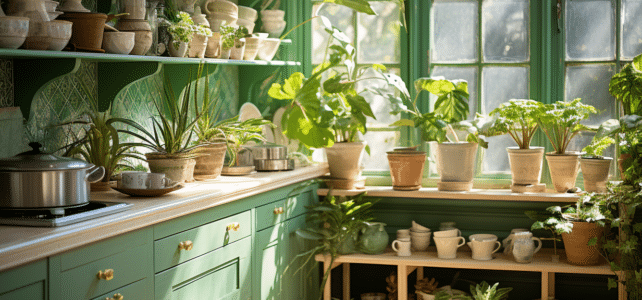
Beyond products, consider plants as allies against excess humidity. Certain species, such as spathiphyllum or tillandsia, have natural water absorption capabilities. In addition to regulating humidity, plants enrich the air with oxygen and add a touch of greenery to your interior. However, when these solutions reach their limits, the intervention of a humidity expert may be necessary to diagnose and properly treat humidity issues in a sustainable and effective manner.