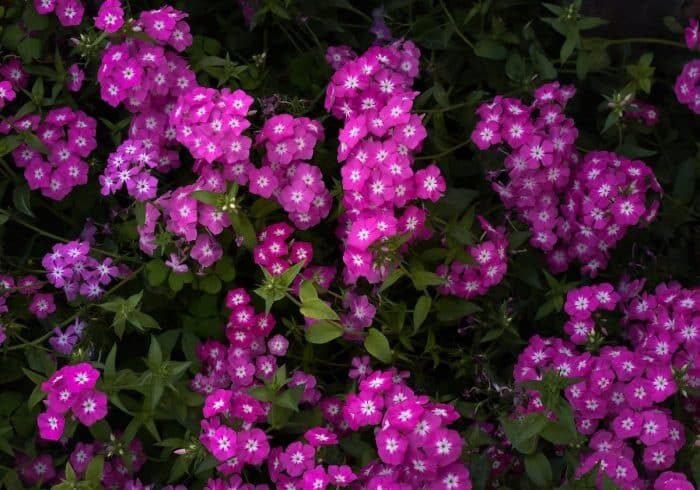
It is in the heart of spring that the hyacinth unfolds its magnificent fragrant flowers. The beauty and vigor of this plant are not the result of chance. Indeed, to achieve an abundant and lasting bloom, certain maintenance rules must be followed. From watering to light exposure, as well as soil type and temperature, every detail matters. Gardening enthusiasts, both amateurs and professionals, tirelessly ask the question: what is the recipe for successfully caring for the hyacinth? This essay will attempt to reveal that, providing tips and practical advice.
Preparing the soil for the hyacinth: essential steps
Choosing high-quality hyacinth bulbs is a promising start, but it is not enough to guarantee a rich bloom. If you want to know the secret of how to make a hyacinth bloom again quickly, the key lies in the attention given to its care.
Remember that the hyacinth is a plant that needs a lot of light. Place your plantings in a spot where they will receive at least six hours of direct sunlight each day. But be careful: as essential as it is, sunlight must be carefully measured during the summer when the rays are at their strongest.
Secondly, the choice of soil also plays a crucial role in making a hyacinth bloom quickly. A balanced and well-drained mix consisting of equal parts potting soil and sand will perfectly meet the specific needs of hyacinths.
Watering is equally important: it should be regular but moderate to avoid any water stagnation that could cause the bulbs to rot. In spring and summer, remember to water regularly without flooding your plant; during winter, however, significantly reduce water inputs as this is its dormancy period.
Beyond the ideal environmental conditions that you should strive to provide for your hyacinth to promote its rapid growth, it can be beneficial to provide some nutritional supplements in the form of fertilizer suitable for bulbous plants.
Do not forget that even when it has finished blooming, you should never cut the leaves immediately. It is thanks to these leaves that your bulb will be able to accumulate enough strength and thus produce its future flowers more easily.
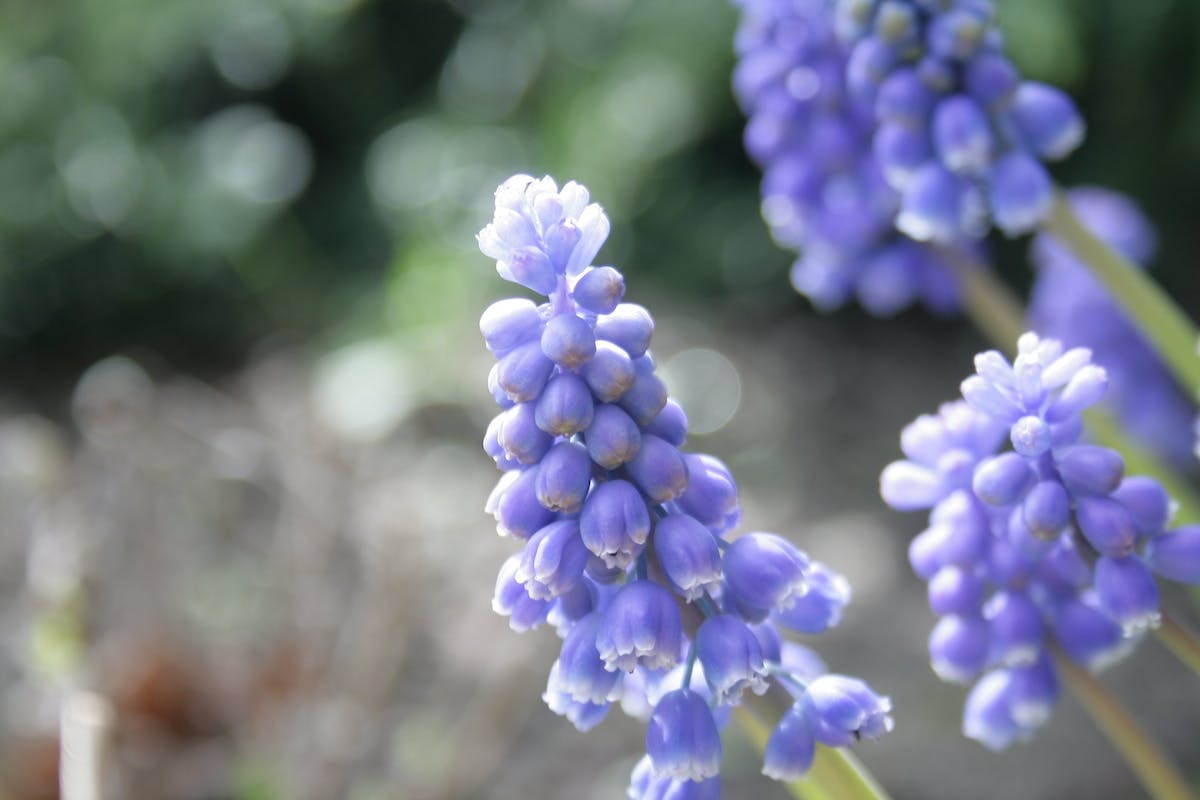
Choosing the best hyacinth bulbs: expert advice
Once you have taken all these precautions, it is time to move on to the crucial step of planting the bulbs. Dig a hole that is twice the height of the bulb and place it gently, with its pointed end facing up. Be sure to maintain sufficient spacing between the bulbs to allow them to develop fully.
Once your hyacinths are in the ground, do not forget to apply a protective layer of organic mulch around the plants. This will help maintain a constant moisture level in the soil while also preventing the growth of weeds that could compete with your precious flowers.
During the active growth period of hyacinths, remember to provide a reasonable amount of water regularly without flooding the plantings. A moderate but frequent watering will allow the roots to thrive and thus promote abundant blooming.
Regarding general maintenance, regularly remove faded or yellowing leaves to prevent any potential spread of fungal or bacterial diseases. You may also consider a light spring fertilization to further stimulate growth.
After fully enjoying their beautiful colored flowers during the spring season, it is recommended to carefully remove the bulbs from the soil before the arrival of harsh winter temperatures. Store them in a cool, dry place, away from direct sunlight.
Careful planting and maintenance are essential to ensure the success of your hyacinths. Take the time to choose quality bulbs, provide them with ideal environmental conditions, and ensure they receive the necessary care throughout their life cycle. By following these simple yet effective tips, you can enjoy abundant blooming year after year in your garden or on your balcony.
Planting and caring for hyacinth bulbs: the steps to adopt
Once you have taken all these precautions, remember to properly plant the bulbs and produce beautiful flowers.
Let’s start by talking about exposure. Hyacinths prefer sunny or partially shaded spots. They need a good amount of light to perform photosynthesis, but they can also feel comfortable in slightly shaded areas where they will be protected from the most intense sun rays.
Regarding watering, remember to water the hyacinths throughout their life cycle. During the active growth period, especially in spring, make sure to provide a regular amount of water so that the roots can absorb the necessary nutrients for their development.
Be cautious as an excess of water can lead to bulb rot. It is therefore recommended to use an appropriate irrigation system or to ensure that you water sparingly, avoiding any excessive stagnation in the soil.
A practical tip is to regularly check the moisture level of the soil before each watering. You can simply insert your finger into the soil up to about two centimeters to assess whether it is dry or moist. If you find that the soil is already moist, it is better to postpone watering until it is necessary.
To maintain a constant moisture level in the soil and avoid sharp fluctuations, you may consider using organic mulch. This protective layer added around the plants will help retain moisture while also preventing the growth of weeds that could compete with your precious flowers.
Managing watering and exposure of hyacinths: rules to follow
Now, let’s address the crucial question of protection against diseases and pests to ensure a healthy and abundant bloom of your hyacinths. These plants can face various problems that may compromise their harmonious development.
One of the formidable enemies of hyacinths is Botrytis, also known as gray mold. This is a fungus that develops in high humidity conditions and can cause brown spots on leaves and flowers, as well as deformity or even death of the bulbs. To prevent this disease, it is recommended to avoid any excess stagnant water around the plantings by maintaining good soil drainage. It is also possible to treat preventively with appropriate fungicides to limit the spread of Botrytis.
Another common problem faced by hyacinths is infestation by aphids.
Protecting hyacinths from diseases and pests: effective solutions
Aphids are small sucking insects that feed on plant sap and can cause considerable damage. To eliminate these pests, you can opt for natural methods such as using beneficial insects like ladybugs or spraying a mixture of soapy water on the infested parts. If the infestation is too severe, the use of specific insecticides may be considered, ensuring that you strictly follow the prescribed doses.
Beyond protection against diseases and pests, adequate exposure is also crucial to promote abundant blooming. Hyacinths generally prefer well-sunny spots but protected from excessive wind. It is therefore recommended to choose a location where your hyacinths can benefit from optimal light without suffering from stress due to strong winds.
As for the soil, it must be well-drained to avoid any excess moisture that could lead to bulb rot. If your soil retains too much water, you can add sand or gravel to improve its drainage.
When it comes to fertilization, do not overdo it. Excessive fertilization can lead to excessive leaf growth at the expense of flower formation. It is better to use a slow-release fertilizer at the time of planting, following the manufacturer’s recommendations.
Do not forget to protect your hyacinths from intense cold. These plants are quite sensitive to frost and can be damaged if not properly protected. You can use a plant cover or mulch to insulate the bulbs during freezing periods.
By putting these simple yet effective tips into practice, you will be assured of achieving an abundant and vibrant bloom of your hyacinths. Take care of them throughout their life cycle, and they will reward you with their stunning beauty.