
In the colorful garden of nature, two varieties of zucchini stand out: green zucchini and yellow zucchini. These two vegetables, siblings from the same family, each shine with their own uniqueness. Their distinct appearance is not their only difference. Indeed, each contains specific nutritional benefits that deserve exploration. This comparison between green zucchini and yellow zucchini will help you better understand these two varieties, their unique flavors, and their nutritional contributions. You will discover which zucchini to choose to enhance your dishes and enrich your diet.
Yellow Zucchini: A Delicate Flavor to Discover
When mentioning zucchini, it is often imagined as a long, green vegetable. This is indeed the most common type of zucchini found in our kitchens and gardens around the world. However, there is a less famous but equally nutritious variant: yellow zucchini.
This naturally leads us to ask a fundamental question: what is precisely the ‘difference between yellow and green zucchini’?
Visually, these two types of cucurbits present notable distinctions • The radiant golden hue of yellow zucchini contrasts sharply with the more subdued and usual shades of its green cousin.
In terms of taste, there is also a significant divergence between these two versions. While the green version typically has a slightly bitter aroma, its golden variant leans towards sweet flavors.
Similarly, in terms of texture after cooking • a crucial element in cooking • they offer interesting variations. While the flesh of the green zucchini generally maintains its crunchiness even after being baked or sautéed, that of the golden specimen tends to have a silkily melting touch.
But that’s not all! The taste and texture aspects are not the only things that distinguish these two types of plant species. In the nutritional realm as well, they present distinctive characteristics that constitute ‘the difference between yellow and green zucchinis’. Both are low in calories but high in fiber; however, where their difference truly stands out is in their respective contributions: while one is particularly rich in beta-carotene (green zucchini), the other prominently features folic acid or vitamin B9 (yellow zucchini).
To conclude our exploration of this specific question regarding ‘the difference between yellow and green zucchini’, it seems that it is primarily a choice largely influenced by your culinary preferences as well as your individual nutritional needs. So choose according to your desire, whether it’s green or yellow zucchini, you are sure to find essential nutrients for your body!
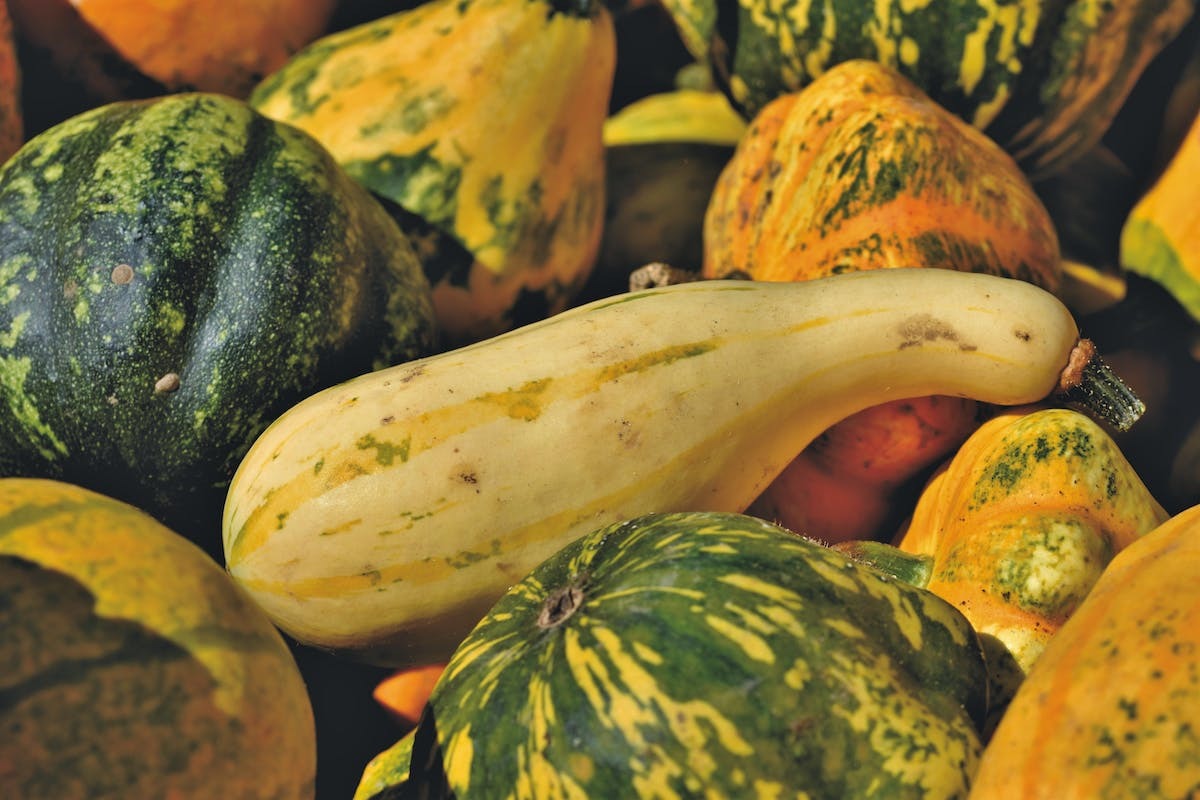
Green Zucchini: A Classic with a Thousand Uses
The textural differentiations between yellow and green zucchini are equally intriguing. The green zucchini, with its smooth and firm skin, offers a crunchy and juicy texture that provides a pleasant contrast to cooked dishes. Whether in salads, ratatouille, or even grilled, it often retains its desirable crispness.
On the other hand, yellow zucchini has a unique tenderness of its own. Its delicate flesh gently crumbles under the palate when cooked just right. It becomes melting and velvety, adding a pleasant creamy sensation to the recipes in which it is used.
This means that if you are looking for a more robust texture for your culinary preparations, the green zucchini will be your ideal ally. Its substantial side allows you to add volume to your dishes without losing its natural freshness.
Conversely, if you are seeking a more subtle tasting experience where each bite dissipates lightly on your tongue, then opt for the silky sweetness of yellow zucchini. Its creamy texture integrates perfectly into the smoothness of creamy sauces or refined purees.
You should note that these textural differentiations influence their respective cooking times. The green variety generally requires less time to achieve the right balance between tenderness and firmness. In contrast, it is preferable to cook yellow zucchini a little longer to obtain the velvety consistency that characterizes it.
Texture: The Nuances Between Yellow and Green Zucchini
The nutritional benefits of yellow zucchini should not be overlooked. Although its color may be different, it shares several nutritional characteristics with its green cousin.
Yellow zucchini is an excellent source of dietary fiber. Fiber plays an essential role in the proper functioning of the digestive system by promoting intestinal regularity and preventing issues such as constipation. Fiber helps maintain a feeling of fullness longer, which can be beneficial for those looking to control their weight.
Yellow zucchini is also rich in essential vitamins and minerals. It contains significant amounts of vitamin C, which contributes to strengthening the immune system and helps protect the body against infections and diseases. The presence of vitamin A in this variety of zucchini is also notable, as it supports not only good vision but also healthy skin.
Yellow zucchini also offers antioxidant benefits due to its content of carotenoids such as beta-carotene and lutein. These compounds act as powerful antioxidants that help neutralize free radicals responsible for the premature aging of cells.
In terms of specific chemical composition compared to that of its green counterpart, there is not much remarkable difference between the two.
Yellow Zucchini: Nutritional Benefits Not to Be Overlooked
Now let’s move on to the nutritional benefits of the green zucchini. This variety, just as interesting as its yellow cousin, offers a range of nutrients that deserve our attention.
The green zucchini is a true treasure of vitamins and minerals. It is an excellent source of vitamin K, essential for blood clotting and maintaining good bone health. It contains appreciable amounts of vitamins B6 and B9, which play a crucial role in the functioning of the nervous system as well as in the synthesis of red blood cells.
Speaking of red blood cells, the green zucchini is also rich in iron. This mineral is responsible for transporting oxygen to all the cells in the body and thus contributes to maintaining optimal energy levels on a daily basis.
Dietary fiber is also abundant in green zucchini. These fibers promote good intestinal function by regulating transit and preventing digestive issues such as bloating or intestinal disorders.
But that’s not all! The green zucchini is also packed with natural antioxidants such as lutein and zeaxanthin. These compounds protect our eyes from damage caused by free radicals, particularly from ultraviolet rays from the sun. They thus play an essential role in preserving our vision.
Whether you opt for yellow or green zucchini, both varieties offer interesting nutritional benefits. It is therefore recommended to include these vegetables in your diet to fully enjoy their many health advantages.
Green Zucchini: A Concentrate of Essential Nutrients
It can be difficult to choose between yellow zucchini and green zucchini, as both varieties have their own unique characteristics. There are a few criteria that could help you make your choice based on your personal preferences.
Consider the visual appearance of the zucchinis. The bright color of yellow zucchini adds a touch of brightness to any dish and can be particularly appealing when used in summer or colorful recipes. On the other hand, if you are looking for a more traditional and subdued appearance, the green zucchini may be the better choice.
Regarding taste, the differences are subtle but present. The tender flesh of yellow zucchini has a slightly sweeter flavor than that of its green counterpart. It can add a delicate note to dishes, especially when simply cooked with butter and fresh herbs. On the other hand, the green zucchini has a more pronounced taste that pairs perfectly in various dishes like stir-fries; you will be pleasantly surprised by its unique flavor.
Texture is also a factor to consider. Yellow zucchini often has a firmer texture than that of the green zucchini. It is ideal for preparations that require firmer slices and, in addition, it holds up well during cooking. The green zucchini is rather tender and juicy. The soft texture of this variety allows it to integrate perfectly into various dishes: in soups, gratins, or even grated for a salad.
It should be mentioned that yellow zucchini often has a lower yield than its green counterpart. This means it may be less abundant in the market or in your vegetable garden.
Don’t forget the nutritional aspect. As we have already mentioned, both varieties offer certain health benefits with their respective vitamins and minerals. It would therefore be wise to regularly include both colors of zucchini in your diet to achieve a broader nutritional palette.
The choice between yellow zucchini and green zucchini will mainly depend on your personal tastes and the recipes you wish to create. Feel free to experiment with these two varieties to discover which one best suits your taste buds and culinary needs.
Yellow or Green Zucchini: How to Make the Right Choice
Another aspect to consider is the culinary versatility of zucchinis. Although both varieties can be used interchangeably in many recipes, there are some subtle differentiations. Yellow zucchini, with its sweet flavor and visually appealing appearance, is perfect for adding a splash of color to your dishes. It is particularly well-suited for salads, pasta, or even grilled on the barbecue.
The green zucchini, on the other hand, has a more pronounced taste that allows it to blend harmoniously into more robust preparations such as stir-fries or ratatouille. Its tender and juicy texture also makes it an ideal ingredient for soups and sauces.