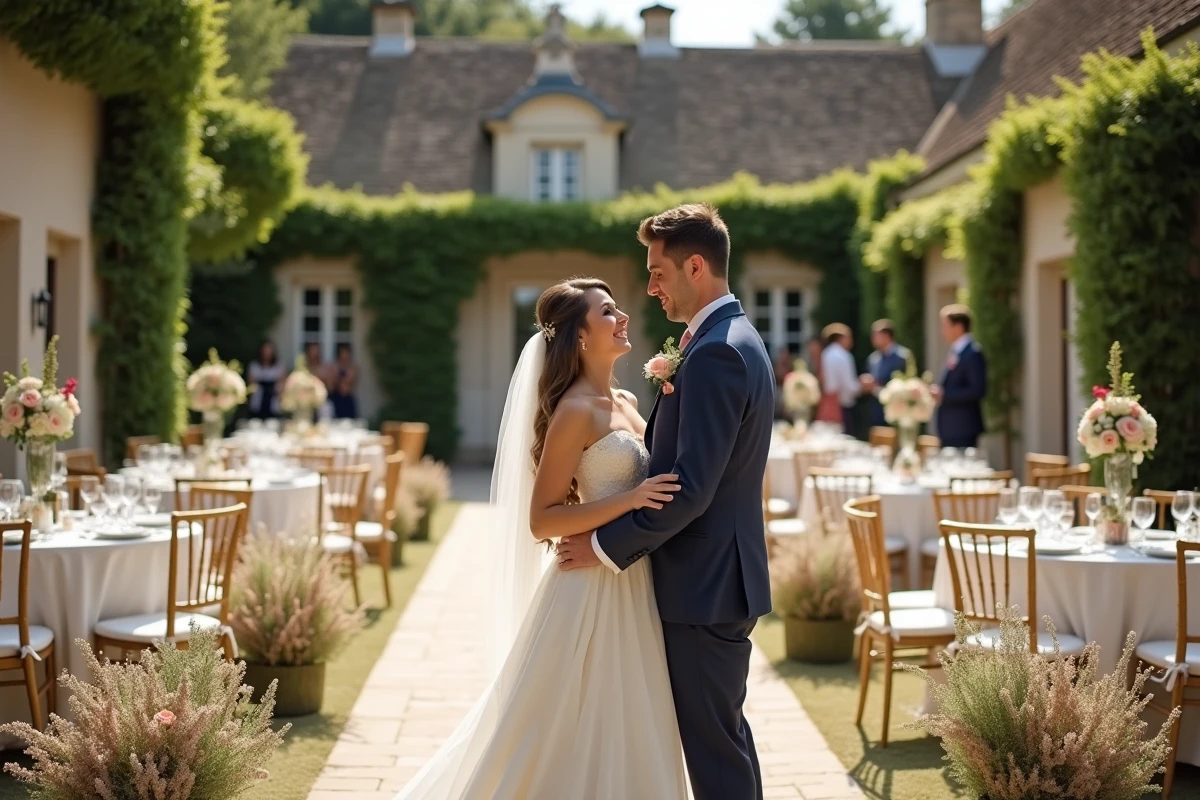
Organizing a perfect wedding relies on concrete choices made in a precise order. Each decision – from the venue to the playlist – influences the next one. The tips for organizing an unforgettable wedding are not generalities: they are technical levers that prevent overspending, forgetfulness, and stress in the final weeks.
1. Lock in the overall budget before any bookings

The budget is the backbone of any wedding organization. Defining it before contacting any service providers prevents committing to amounts that are impossible to maintain.
The most reliable method is to allocate the budget into priority categories (venue, catering, photographer) and adjustable categories (floral decoration, entertainment, stationery). If one category exceeds the planned amount, the compensation is made immediately from another category, not at the end of the process.
To delve deeper into this methodical preparation logic, several tips for a successful wedding on Univers Mariage detail the prioritization of expenses by their impact on the day.
2. Create a timeline at least twelve months in advance

A reverse calendar, starting from the big day, structures each step. Bookings for the most sought-after vendors (venue, catering, photographer) should be made at least eight to ten months in advance. Dress fittings, stationery, and logistical details are scheduled in the following months.
A shared timeline between both partners reduces misunderstandings. Collaborative tools – shared spreadsheets, project management apps – allow for real-time task tracking and clear responsibility assignments to each member of the couple or involved relatives.
3. Choose the venue based on logistics, not decor
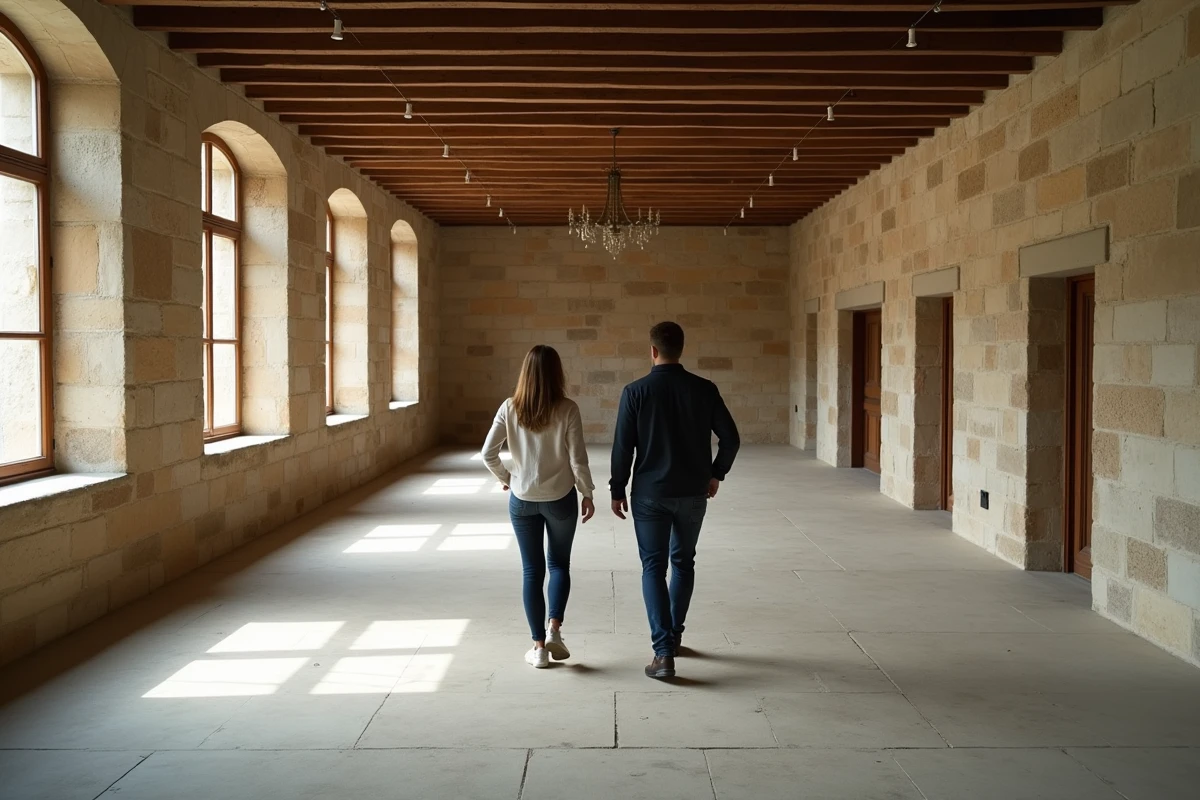
The reception venue dictates nearly all other choices: number of guests, type of catering, accessibility, accommodation. Selecting a venue because it is photogenic without checking its actual capacity or the proximity of a backup plan in case of rain leads to cascading complications.
Unconventional table formats, such as serpentine tables or long arrangements, are gaining traction for outdoor receptions. These layouts improve guest circulation and facilitate catering service, a criterion often overlooked during venue visits.
4. Set the guest list before choosing vendors

The number of guests determines the volume of catering, the size of the venue, the number of tables, and the quantity of invitations. Delaying this decision creates a domino effect on all quotes.
The practical rule: establish three distinct lists.
- List A includes people whose presence is non-negotiable (close family, close friends)
- List B includes desired guests but adjustable based on the remaining budget
- List C concerns courtesy invitations, sent only if spots become available
5. Select a photographer based on a complete portfolio

Visual memories are what remains once the day is over. A wedding photographer should be chosen by examining a complete portfolio, not a selection of ten retouched shots in a portfolio.
A complete portfolio reveals the photographer’s consistency: their management of changing natural light, ability to capture spontaneous moments, and discretion during the ceremony. Requesting to see a wedding documented from start to finish, including preparations, remains the best selection filter.
6. Plan a backup weather plan as soon as the venue is signed
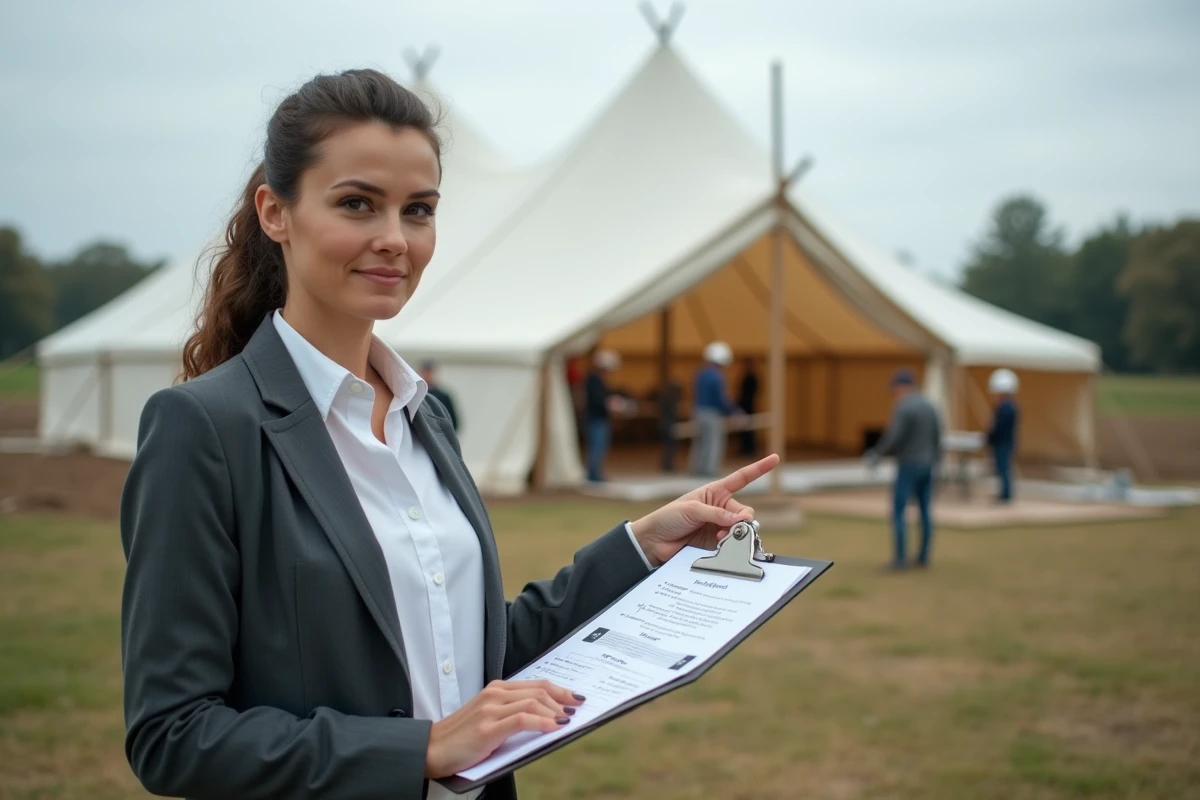
Any outdoor reception requires a backup solution integrated into the venue contract. Waiting until the week before the wedding to rent a tent or marquee costs much more and limits available options.
The backup plan is not limited to shelter: it includes repositioning tables, sound systems suitable for a covered space, and alternative lighting. Some venues offer these solutions in their packages, simplifying logistics.
7. Opt for a phone-free ceremony
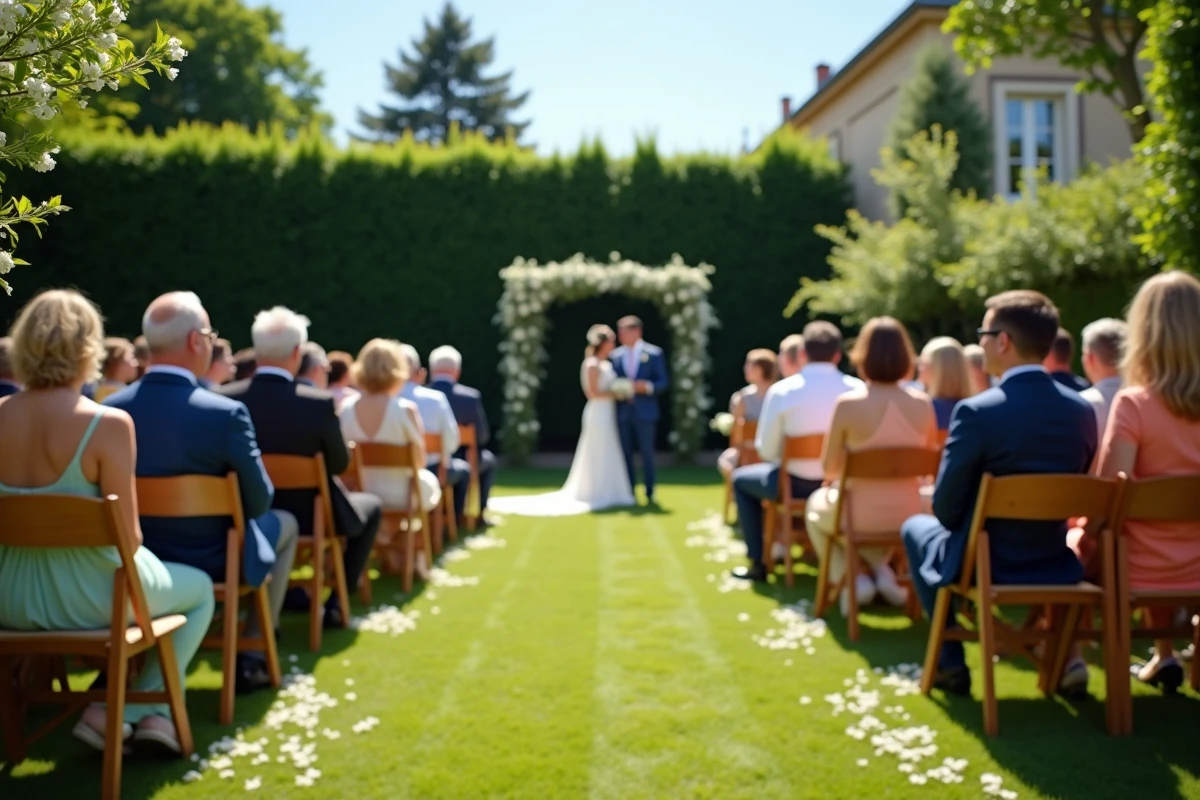
The unplugged ceremony policy is no longer just an aesthetic whim. Outstretched arms with smartphones hinder the work of the professional photographer and fragment guests’ attention during the most important moments of the day.
A sign at the entrance of the ceremony, combined with an announcement from the officiant, is sufficient in most cases. Guests can retrieve their devices for the cocktail and the evening, where spontaneous photos enrich collective memories.
8. Emphasize a minimalist style to reduce logistical load
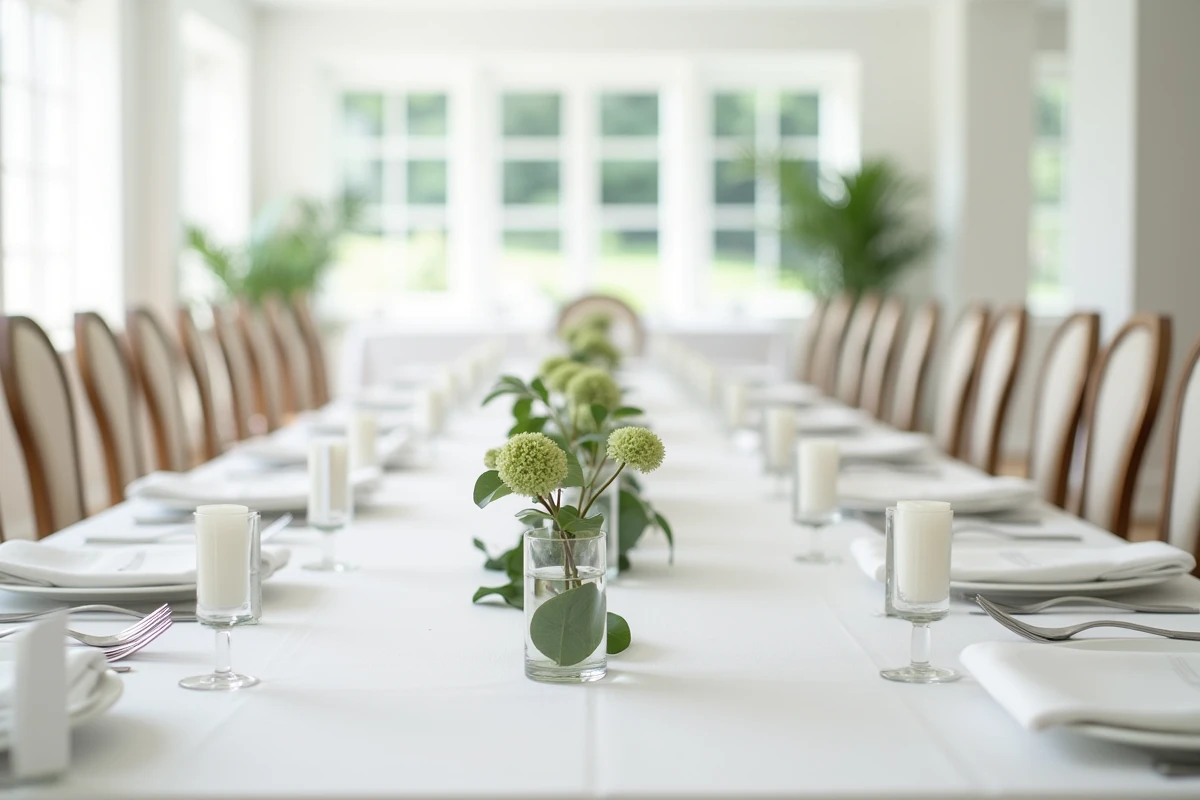
Applying minimalism to weddings goes beyond decorative trends. A neutral palette, natural elements, and a reduced number of decorative pieces decrease setup time, cost, and stress on the big day.
Fewer pieces to install mean fewer vendors to coordinate, less risk of breakage or delays. Sobriety also allows for concentrating the budget on high-impact visual elements: beautiful lighting, a unique floral arch, a well-decorated head table.
9. Pay attention to musical entertainment by time slots

Music structures the ambiance of the entire day. Planning soft background music for the ceremony and cocktail, a progressive tempo for the meal, and then an increasing energy for the dance party ensures smooth transitions.
Each time slot calls for a different musical style. Entrusting this progression to an experienced DJ or musician in events avoids breaks in ambiance. Providing a suggested playlist with songs to play and those to avoid remains the simplest way to achieve a cohesive evening.
10. Delegate tasks on the big day to an identified coordinator

On the wedding day, the couple should not manage any logistics. Designating a person – an organized relative or a professional coordinator – who has the minute-by-minute schedule, contacts for each vendor, and the authority to make minor decisions makes all the difference.
This person manages delivery delays, last-minute changes, and guest inquiries. Without this relay, the couple spends their day solving problems instead of enjoying it. A simple shared document listing schedules, phone numbers, and instructions is enough to equip this coordinator.
Organizing a perfect wedding is less about the quantity of details than about their logical sequence. An early-set budget, a rigorous timeline, and clear delegation on the big day cover most risks. The rest – decoration, music, small attentions – naturally falls into place when the structure is solid.